Breast Implants vs Fat Transfer
The short answer
Breast Implants vs Fat Transfer compares implant-based volume with a smaller increase using a patient's own fat. It may suit patients weighing volume goals, donor fat, imaging changes, scars, and uncertainty in fat retention. In Northglenn, Dr. John Samas reviews your anatomy, your health history and your goals before recommending a plan.
Two ways to add volume to the breast, with very different limits on how much volume is actually available.
Start here
What else should you know?
Fat transfer gives a modest increase, generally about a cup size or less per session, and it requires enough donor fat elsewhere on your body. An implant gives a larger, more predictable and more controllable increase in one operation.
If you want a subtle change and you have fat to spare, fat transfer is worth discussing. If you want a substantial change, or you are very lean, an implant is usually the realistic route.
Side by side
Implants and fat transfer compared
The honest differences are in how much volume is achievable, how predictable it is, and who is actually a candidate.
Size increase available
- Breast Implants
- Larger increase, chosen from a range of implant volumes
- Fat Transfer to Breasts
- Modest, generally about a cup size or less per session
Predictability
- Breast Implants
- Highly predictable, the device volume is known before surgery
- Fat Transfer to Breasts
- Less predictable, because not all transferred fat survives
What survives
- Breast Implants
- Not applicable, the implant does not change volume
- Fat Transfer to Breasts
- Roughly 50 to 70 percent retention is the published range, and it varies
Who is a candidate
- Breast Implants
- Most healthy adults meeting the FDA age minimums
- Fat Transfer to Breasts
- Requires enough donor fat, very lean patients are frequently not candidates
Sessions needed
- Breast Implants
- One operation
- Fat Transfer to Breasts
- One or more, depending on the volume goal
Foreign material
- Breast Implants
- Yes, an FDA-regulated device
- Fat Transfer to Breasts
- No, your own tissue is used
Age minimum for augmentation
- Breast Implants
- 18 for saline, 22 for silicone gel
- Fat Transfer to Breasts
- No device age rule applies
Rupture imaging
- Breast Implants
- FDA recommends periodic imaging for silent rupture with silicone gel, saline needs no routine rupture imaging
- Fat Transfer to Breasts
- Not applicable
Effect on mammograms
- Breast Implants
- Implants can obscure tissue, displacement views are used, screening continues
- Fat Transfer to Breasts
- Can create calcifications or oil cysts that appear on imaging, radiologists can generally distinguish them, screening continues
Does it lift
- Breast Implants
- No
- Fat Transfer to Breasts
- No
Second surgical site
- Breast Implants
- No
- Fat Transfer to Breasts
- Yes, fat is harvested by liposuction from a donor area
Tell any imaging facility about your surgical history, whichever route you take, and keep to normal age-appropriate screening.
The two routes to volume
A device, or your own tissue
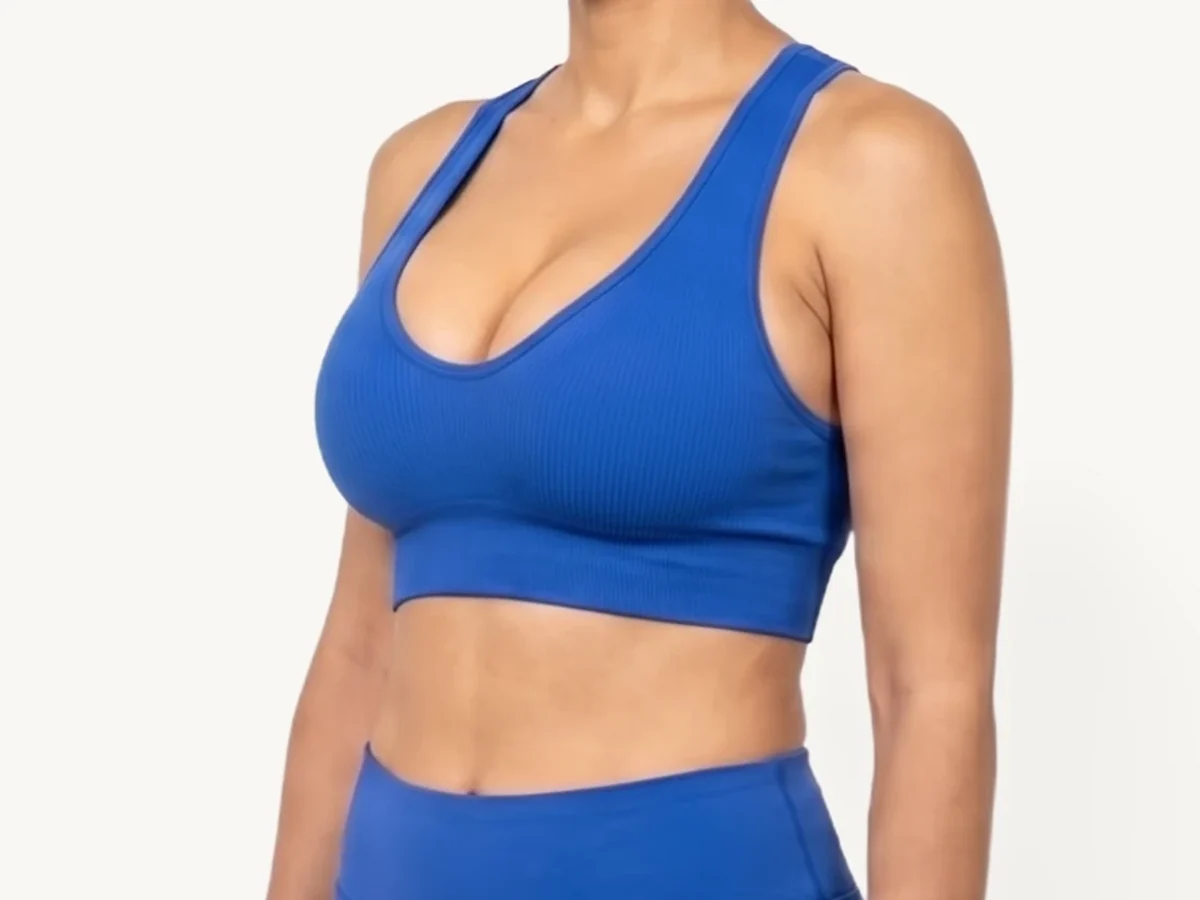
Breast augmentation with implants places a saline or silicone gel device to increase volume. The volume is selected before surgery, so the result is controllable and does not depend on tissue survival.
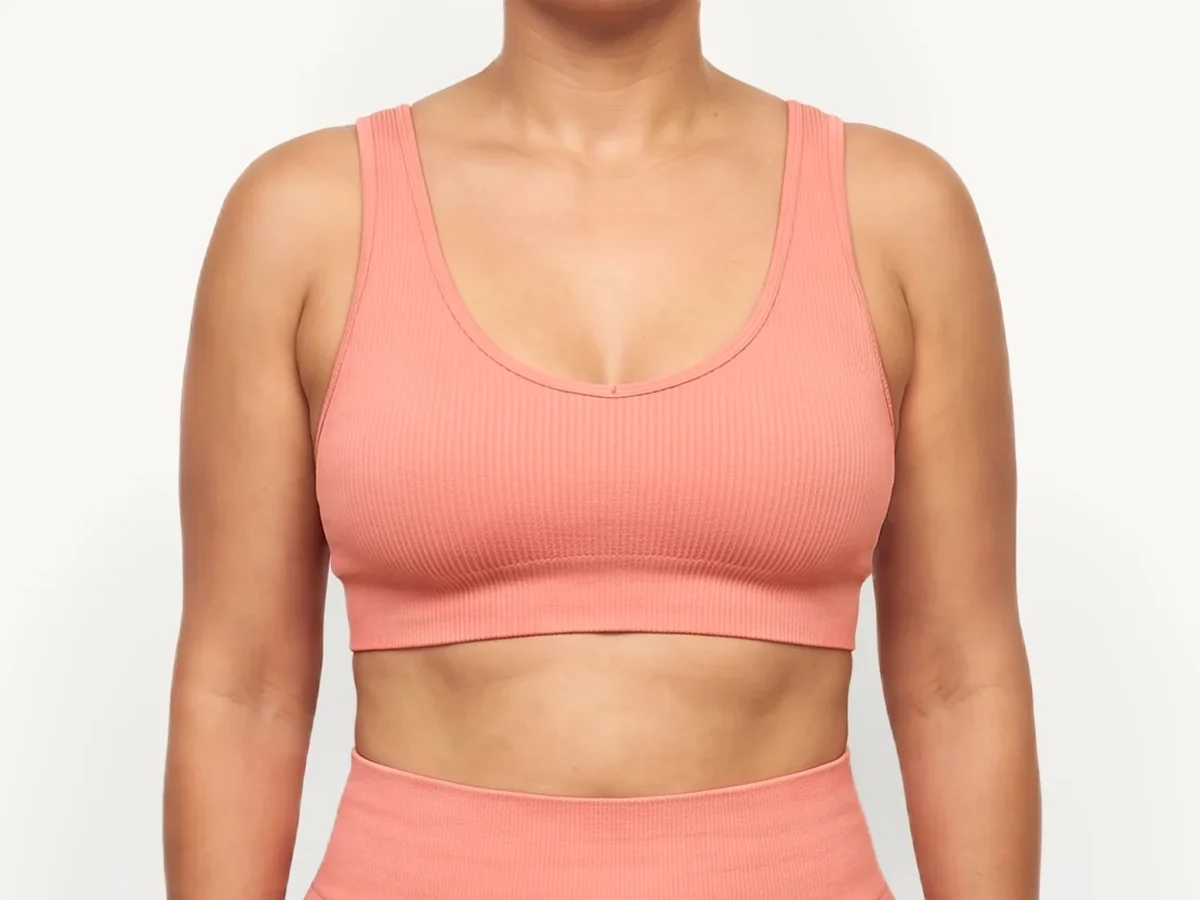
Fat transfer to the breasts harvests fat by liposuction from another part of the body, processes it, and injects it into the breast. There is no device, but there is a second surgical site, and only a proportion of what is injected survives long term.
Neither one is a lift. If the nipple sits at or below the crease beneath the breast, adding volume by either method will not raise it.
How the decision is actually made
Volume goal, donor fat, and tolerance for uncertainty
Three questions settle this in most consultations, and the first one is usually decisive.
- How much larger do you want to be? A substantial increase in one operation points to an implant.
- Do you have enough donor fat? Being very lean is the most common reason fat transfer is not possible.
- How much variability can you accept? Retention varies between patients and is not fully predictable.
- Do you want to avoid a device altogether? That is a legitimate reason to prefer fat transfer, within its size limits.
- Is the nipple low on the breast? Then a lift is a separate part of the conversation regardless of the volume method.
- Are you willing to consider more than one session? Fat transfer volume can be built gradually.
Why retention varies
What determines how much transferred fat survives
Transferred fat has to establish a blood supply in its new location to survive. Anything that limits that blood supply reduces retention: injecting too much volume into one area in a single session, a recipient site with limited tissue to receive it, or technique that places the fat in large deposits rather than fine layers.
Weight change afterward matters too. Transferred fat cells behave like the fat they came from, so losing weight can reduce the result and gaining weight can enlarge it.
The published range of roughly 50 to 70 percent also reflects the fact that studies measure retention differently, some by imaging volume and some by clinical assessment. That is why an honest range is quoted here rather than a single number.
Imaging and screening
Both options change what a radiologist sees, and neither changes your screening schedule
Fat transfer can create calcifications, oil cysts or areas of fat necrosis that appear on a mammogram. Experienced breast radiologists can generally distinguish these findings from cancer, and research has not shown that fat transfer increases breast cancer risk or delays diagnosis.
Implants can obscure some breast tissue on a standard mammogram, which is why displacement views are used for patients who have them. For silicone gel implants the FDA recommends periodic imaging, ultrasound or MRI, to check for silent rupture, first at five to six years and then every two to three years. That schedule can vary by implant, so follow the device labeling and Dr. Samas's advice. Saline implants need no routine rupture imaging because a rupture is visible.
In both cases, tell the imaging facility what surgery you have had and continue normal age-appropriate screening.
FAQ
Implants or fat transfer, answered
This page is general information. Candidacy, recovery and what to expect are discussed at your consultation.
Read next
The two procedures compared here